Vera Butler · 25 September 2026
Dissecting Competitor Link Profiles Using Layered Evaluation Metrics in Digital Marketing
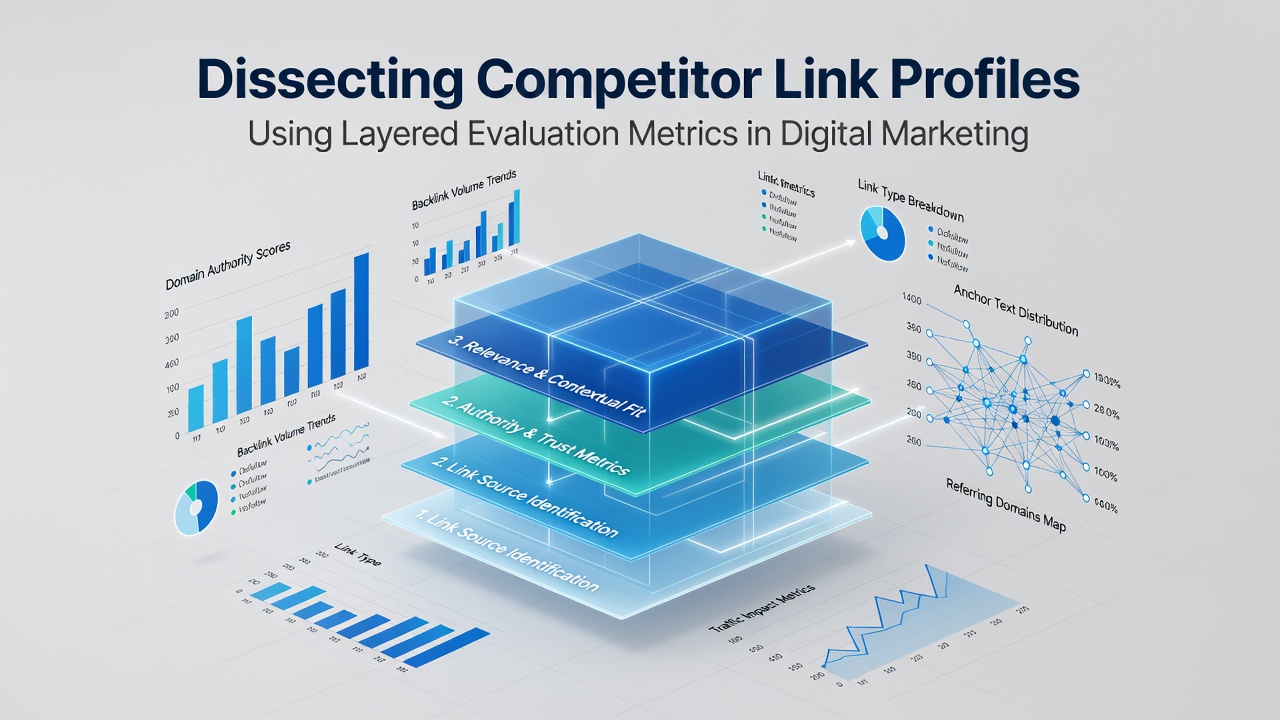
Competitor link profile analysis relies on systematic approaches that break down external references into distinct evaluation layers rather than treating all backlinks as equal signals. Researchers in the field apply these layered frameworks to separate surface-level data such as link volume from deeper attributes including domain authority distribution, topical relevance, and anchor text patterns. Data from industry reports continues to highlight how marketing teams use such methods to map out the competitive landscape in search engine optimization campaigns.
Core Components of Link Profile Layers
Layer one typically examines quantitative factors like total backlink count and referring domain numbers while layer two shifts focus toward qualitative aspects such as link placement context and site trustworthiness scores. Observers note that combining these layers allows analysts to identify whether a competitor's profile draws strength from high-volume low-quality links or from selective high-authority placements. Studies from academic sources show that profiles balanced across multiple layers tend to correlate with more stable ranking performance over time.
Applying Metrics in Practice
Teams begin the dissection process by exporting competitor backlink data through established SEO platforms then segment the results according to predefined evaluation criteria. This segmentation reveals patterns in geographic distribution of linking domains, the ratio of dofollow to nofollow attributes, and the presence of links from government or educational sources. In September 2026, updates to several analytics suites introduced automated tagging features that flag potential link manipulation signals across these layers, enabling faster identification of anomalies in competitor strategies.
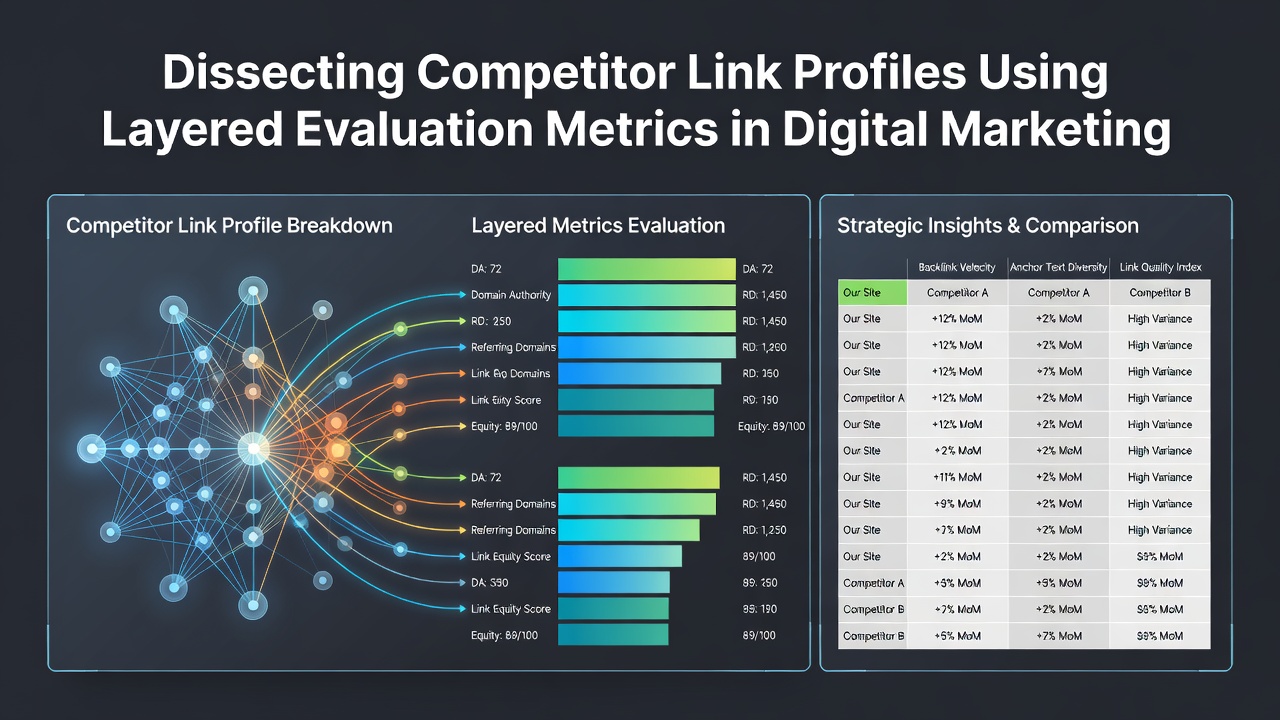
Further layers incorporate temporal analysis that tracks when links were acquired and how their value has evolved alongside algorithm changes. Experts have observed that sudden spikes in low-relevance links often indicate aggressive outreach campaigns while steady accumulation from niche publications points to content-driven growth. Those who study these trends emphasize cross-referencing the data with industry benchmarks to avoid misinterpretation of isolated metrics.
Integration with Broader Digital Strategies
Link profile evaluation does not occur in isolation from other marketing channels. Analysts frequently align backlink findings with social signal data and content performance metrics to build a fuller picture of competitor tactics. According to research published by the Interactive Advertising Bureau, organizations that layer link analysis with audience engagement metrics achieve more precise gap identification in their own acquisition plans. This approach supports decisions on whether to pursue similar link sources or to differentiate through alternative channels.
Tools and Data Sources
Modern platforms provide APIs that facilitate extraction of layered metrics at scale while visualization tools convert raw numbers into comparative charts. Professionals cross-check outputs against multiple datasets to account for variations in crawler coverage and index freshness. A report from the Statistics Canada digital economy research series illustrates how regional differences in link acquisition behaviors influence metric interpretation across markets. Such references help maintain objectivity when profiles from different countries display contrasting structural characteristics.
Conclusion
Layered evaluation of competitor link profiles equips marketing teams with structured insights that extend beyond basic counts into nuanced understanding of external reference quality. Continued refinement of these methods supports more informed strategy adjustments as search algorithms evolve and data sources expand.