Vera Butler · 9 October 2026
Shifts in Reference Valuation Models Following Major Platform Migrations in Contemporary Web Strategies
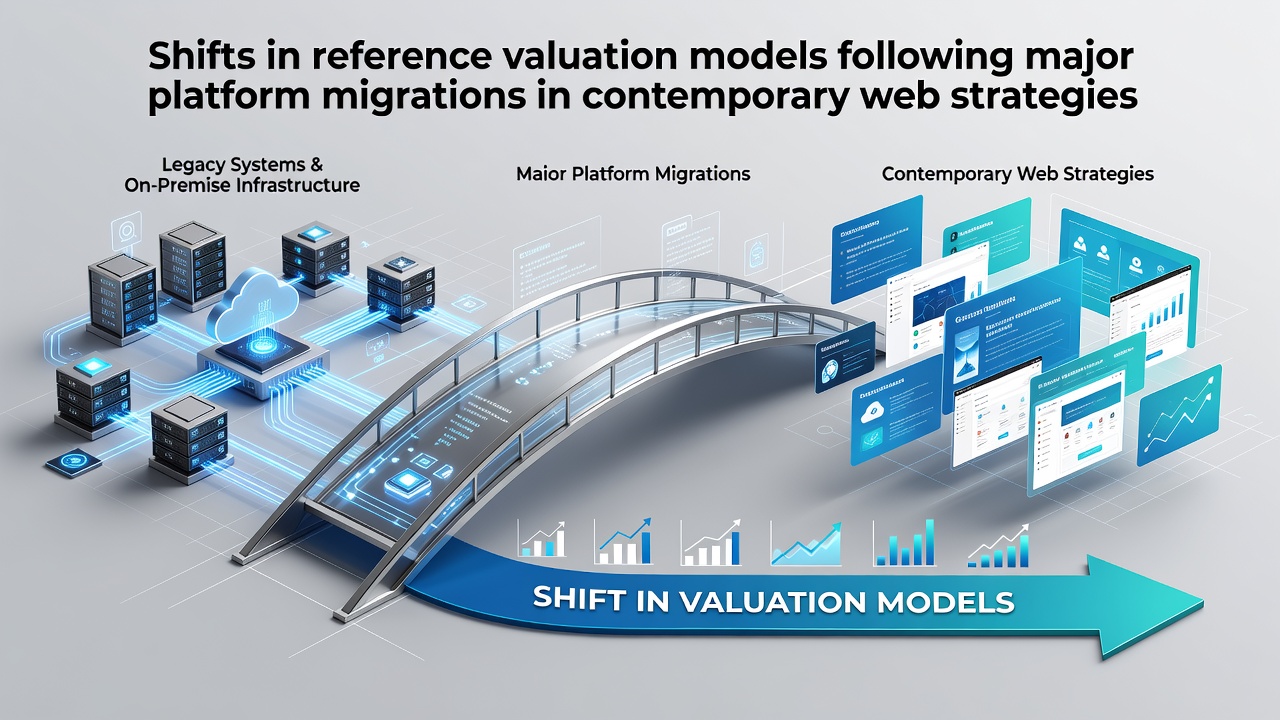
Platform migrations have become routine in contemporary web strategies as organizations move from legacy hosting environments to cloud-native systems or consolidated content delivery networks and these transitions often trigger recalibrations in how external references receive value within search and analytics frameworks.
Understanding Reference Valuation in Web Contexts
Reference valuation models assess the weight assigned to inbound links, citations, and mentions across digital properties and researchers have tracked consistent adjustments whenever large-scale infrastructure changes occur because algorithms re-evaluate signal strength based on new hosting signatures, domain authority shifts, and crawl patterns that emerge after migration.
Observers note that organizations completing major platform moves in late 2025 reported noticeable variance in how their external references performed in ranking systems within weeks of cutover and data collected through October 2026 continues to show layered adjustments rather than immediate stabilization.
Common Migration Patterns and Their Effects
Enterprises frequently shift between content management systems, adopt new edge computing providers, or consolidate multiple domains under single infrastructure stacks and each scenario alters the technical footprint that search engines use to interpret reference quality.
Studies from academic institutions such as those published through MIT's digital infrastructure research group indicate that reference signals tied to older server architectures lose relative strength when content relocates to environments with improved latency metrics and security protocols.
Technical Factors Driving Valuation Changes
Server response headers, SSL certificate chains, and IP reputation profiles all update during migration and these elements feed into valuation models that determine whether a reference appears authoritative or diluted.
Yet the process rarely follows a single timeline because indexing crawlers require multiple passes before fully incorporating the new environment and this creates interim periods where reference value fluctuates based on partial data sets.
Industry Data on Post-Migration Adjustments
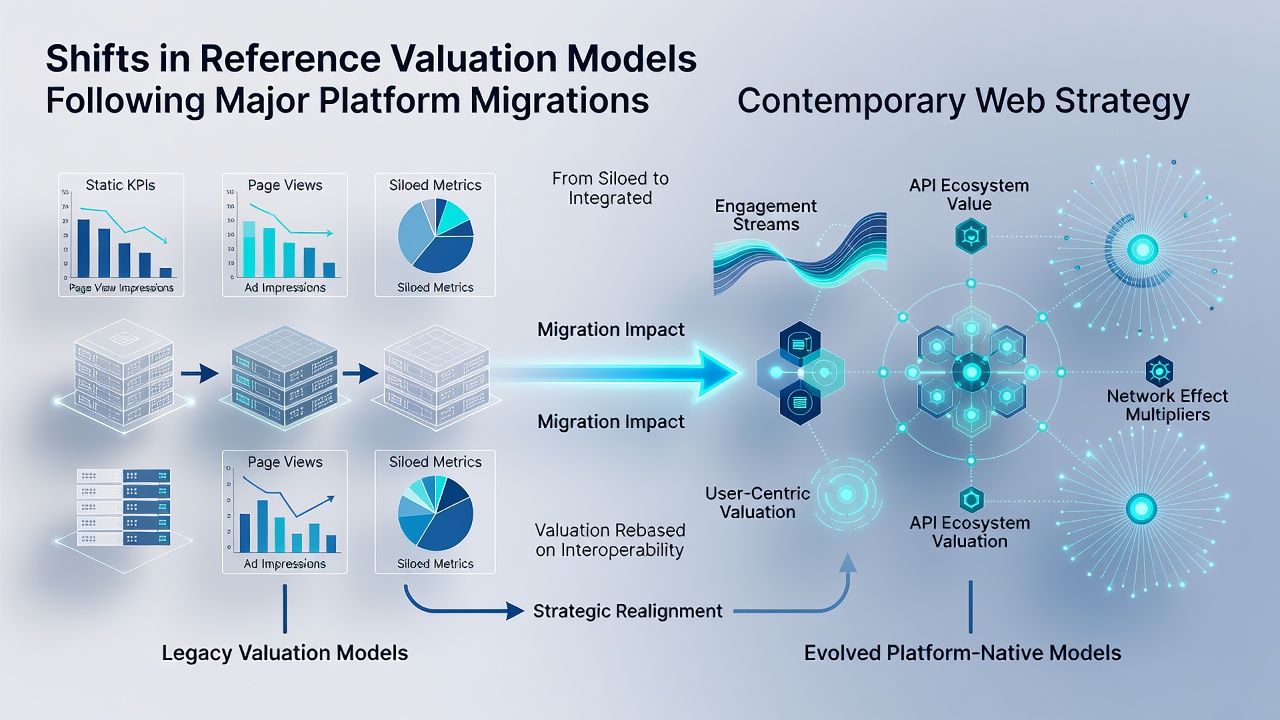
Figures released by the Australian Bureau of Statistics in their digital economy reports reveal that businesses undergoing platform consolidation experienced average reference value recalibrations of 12 to 18 percent within the first quarter after migration and these shifts stabilized only after consistent crawl activity resumed.
Canadian government analyses of web infrastructure transitions similarly document how references originating from newly migrated domains receive different weighting compared to pre-migration baselines and the variance depends heavily on the overlap between old and new hosting provider networks.
Strategic Responses Observed Across Sectors
Teams managing contemporary web properties have adopted phased migration approaches that preserve reference continuity and monitoring tools now track valuation metrics in real time to identify when adjustments begin to plateau.
What's interesting is how certain migration types, such as moves to privacy-focused hosting solutions, produce distinct valuation patterns because regulatory compliance signals gain prominence alongside traditional authority metrics.
Longer-Term Implications for Web Strategy
Reference valuation models continue evolving as platforms introduce new standards around performance, accessibility, and data handling and organizations that complete migrations without accounting for these variables often see prolonged recovery periods in their external reference performance.
Conclusion
Platform migrations reshape reference valuation through technical and algorithmic channels that unfold over extended periods and data gathered through October 2026 underscores the need for careful monitoring during and after such transitions. Organizations that integrate valuation tracking into their migration planning maintain steadier reference performance across changing infrastructure landscapes.