Vera Butler · 11 September 2026
The Evolution of Backlink Evaluation Frameworks Prompts New Approaches to External References
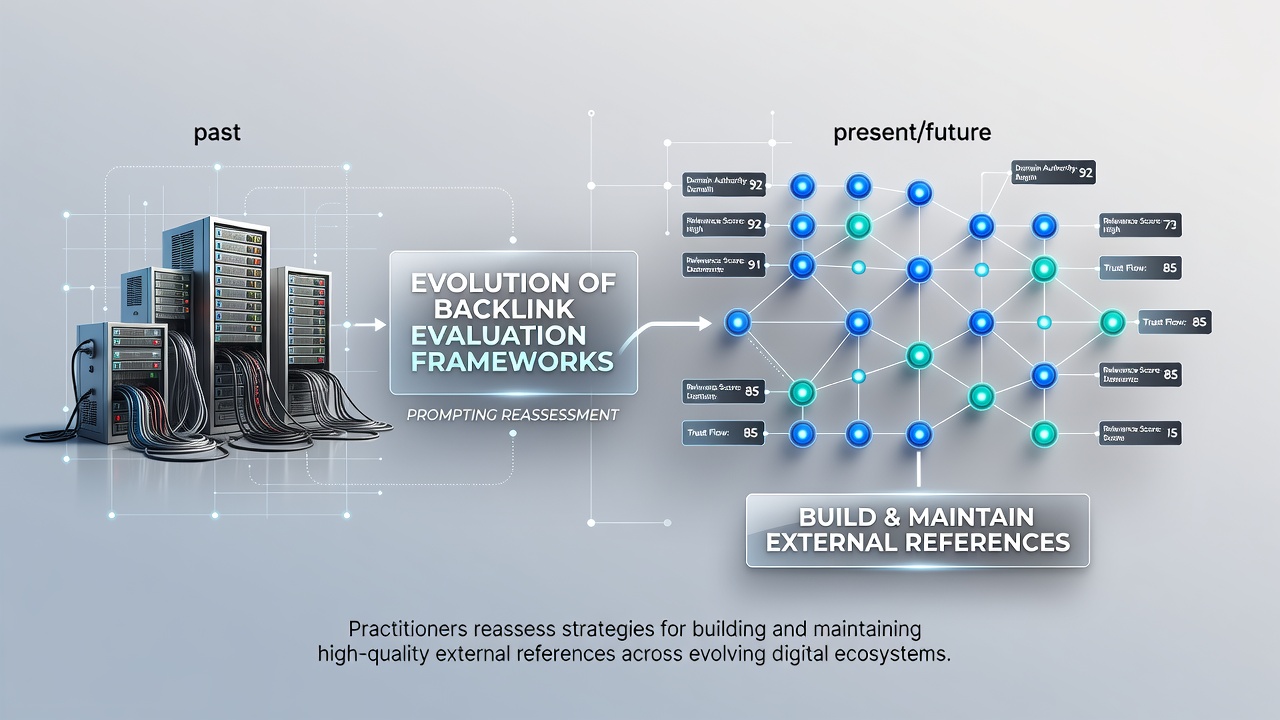
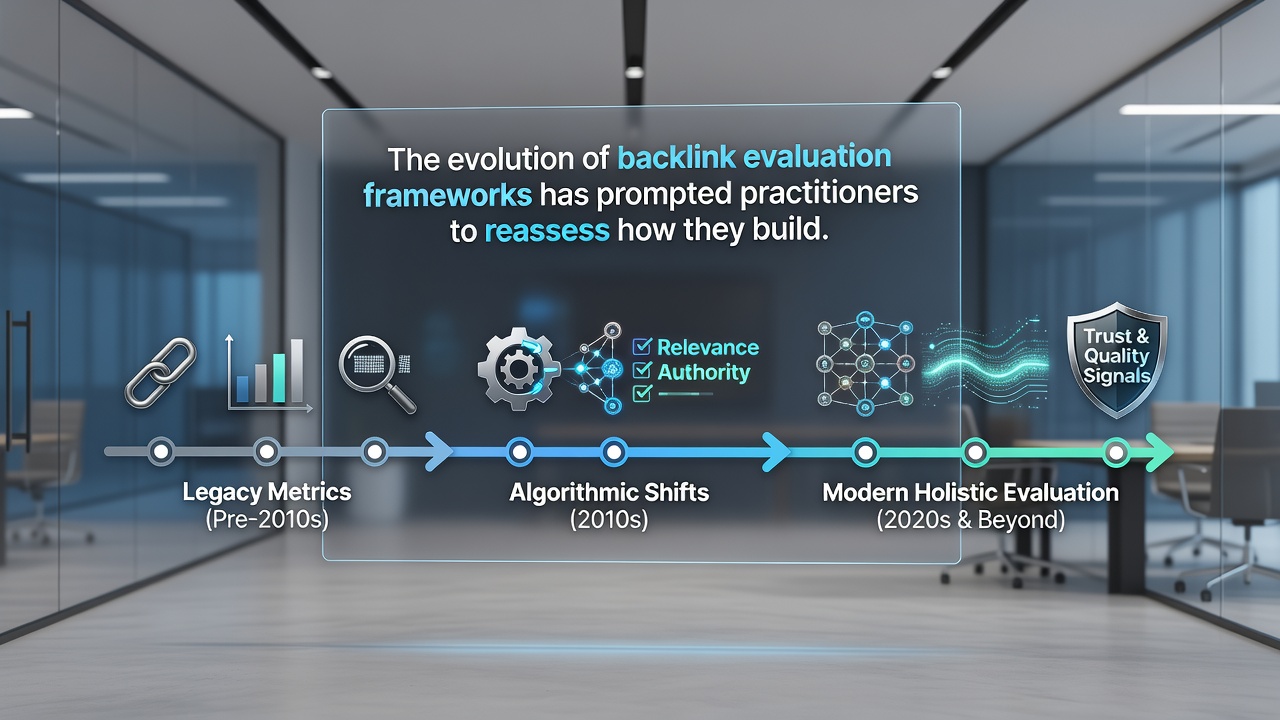
Backlink evaluation frameworks have shifted from simple quantity-based metrics to multifaceted systems that weigh relevance, contextual placement, and technical signals together, and this change has led practitioners to review their methods for acquiring and sustaining external references across websites and domains. Search engines refined these frameworks through successive algorithm updates that incorporated machine learning models capable of detecting patterns in link networks, while data from various industry reports shows increased emphasis on quality indicators such as topical alignment and user engagement metrics.
Early Development of Link Assessment Methods
Initial approaches to backlink analysis relied primarily on counting inbound references and assigning scores based on the perceived strength of the linking domain, yet researchers at major search providers observed that such methods invited manipulation through automated link farms and low-value directories. Practitioners responded by focusing on anchor text optimization and reciprocal arrangements, and studies from academic institutions documented how these tactics influenced early ranking outcomes before more sophisticated detection systems emerged. Over time the frameworks incorporated additional layers including geographic signals and temporal factors, which allowed evaluators to differentiate between natural link growth and artificial spikes.
Integration of Advanced Signals in Modern Frameworks
Contemporary evaluation systems combine traditional authority measures with behavioral data and semantic analysis, so practitioners now examine how links interact with content freshness and mobile rendering performance. According to documentation available through Google Search Central, these integrated signals help distinguish authoritative references from those generated through paid networks or manipulative schemes. Data from multiple regional sources including reports issued by the European Commission on digital market dynamics indicate that sites maintaining diverse link profiles experience more stable visibility in search results over extended periods.
Adjustments in Link Building Practices
Digital property managers have adjusted their outreach strategies to prioritize editorial placements and resource page contributions, and this shift aligns with the increased scrutiny applied to link velocity and source diversity. One documented case involved a technology publication that transitioned from bulk directory submissions to targeted guest contributions on established industry sites, resulting in measurable improvements in referral traffic patterns tracked through analytics platforms. Those managing multiple domains have implemented centralized monitoring systems that track link health across portfolios, allowing teams to identify and address broken references or changes in linking domain policies promptly.
Tools that aggregate link data now incorporate predictive elements based on historical algorithm behavior, and practitioners use these insights to forecast potential impacts from framework adjustments. Research published through university-affiliated digital studies programs highlights how organizations that audit their external reference portfolios regularly maintain stronger resilience against ranking fluctuations.
Regional Variations and Regulatory Influences
Approaches to backlink management differ across jurisdictions because regulatory frameworks governing online content and advertising disclosures vary, so teams operating internationally often adapt their reference strategies to comply with local expectations. Documentation from the Australian Competition and Consumer Commission on digital advertising practices outlines requirements that indirectly affect how links are disclosed and valued within certain market segments. In parallel, Canadian government resources on electronic commerce provide guidance on transparency that influences how practitioners present sponsored references in link-building campaigns.
As of September 2026, several search providers released updated documentation emphasizing the role of entity recognition in link evaluation, which prompted further refinements in how practitioners structure references across interconnected digital assets. These updates build upon earlier changes and encourage the use of structured data to clarify relationships between linking and linked entities.
Maintenance Strategies for External References
Ongoing maintenance now includes regular audits of anchor text distributions and link context relevance, while automated alerts notify teams when previously positive signals begin to decline. Practitioners frequently employ disavow mechanisms when frameworks flag low-quality references, and this practice has become more selective following guidance that stresses the importance of accurate file submissions. Organizations that maintain comprehensive records of their link acquisition processes report better outcomes during manual review scenarios because they can demonstrate consistent adherence to established quality standards.
Conclusion
The progression of backlink evaluation frameworks continues to reshape how external references are built and preserved across digital properties, and practitioners adapt by integrating new data sources and compliance considerations into their workflows. Evidence from search provider documentation and regional regulatory bodies shows that sustained attention to link quality and contextual fit supports more stable performance in evolving search environments.